Community-based conservation and protection of endangered species, is one of the core projects of GFI. It refers to the engagement of local communities in conservation efforts. It involves empowering local communities to manage and protect natural resources, including forest and endangered species. Community-based conservation recognizes the critical role that local communities play in preserving biodiversity and their traditional knowledge in managing ecosystems.
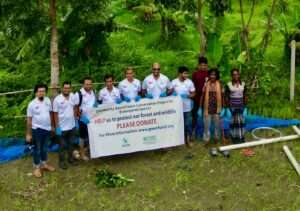
The conservation of endangered species is a complex process that involves multiple stakeholders, including governments, NGOs, and local communities. Our project activities include:
Afforestation and Reforestation:
It can help wildlife habitats and increase a forest’s capacity to absorb carbon dioxide (CO2). It can also help in preventing desertification, the process through which productive land becomes a desert due to a drought, intense farming, or other factors.

Awareness and Conservation Education:
Community-based conservation efforts have been successful in educating local communities on the importance of endangered species and their role in preserving them. Awareness and Education programs help them in changing local attitudes towards wildlife and forest to reduce the human-wildlife conflict. The GFI use Communication for Development strategies to its awareness and education program.
Community-Based Conservation Reserves:
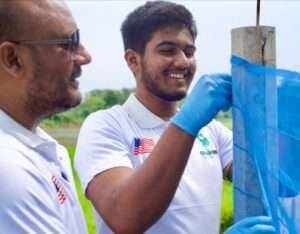
Community-based conservation reserves involve the creation of protected areas managed by local communities. The local communities are responsible for managing and protecting the endangered species in the area.
Community-Based Anti-Poaching Efforts:
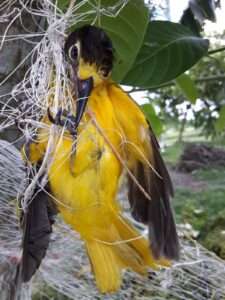
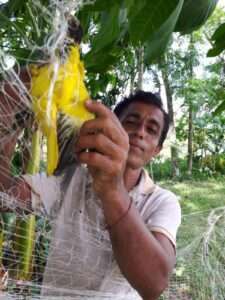
Poaching is a significant threat to endangered species. Community-based anti-poaching efforts involve local communities in the prevention and reporting of poaching activities.
Care and Rehabilitation Center for Rescued Species:
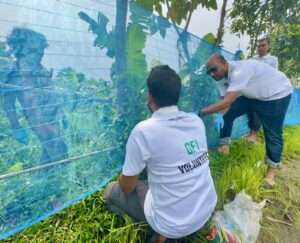
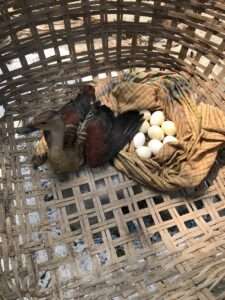
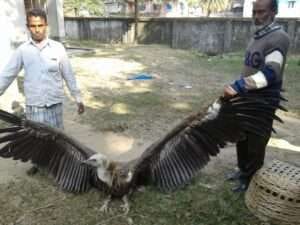
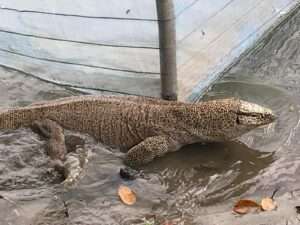
We, GFI, do not have any center right now. However, if there is enough fund, GFI will establish a care center as it is crucial to provide primary and long-term care service to the rescued species before released back into the wild. At present, we usually send them to other service providers.
Community-Based Monitoring:
Community-based monitoring involves the participation of local communities in monitoring the populations of endangered species in their area. The local communities are trained to collect data on the population and behavior of endangered species, which is used to inform conservation efforts.