 Green Fund
Initiative
Building Climate Resilience.
Protecting Nature. Changing Lives.
Raising Awareness for Wildlife Conservation: Taking Conservation Messages to Communities
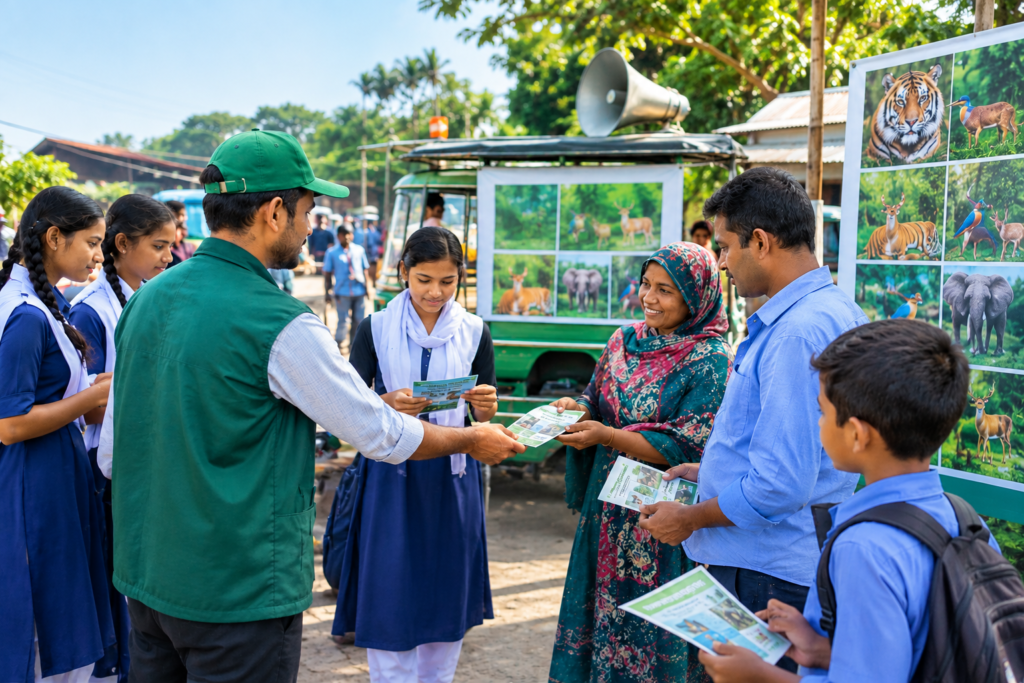
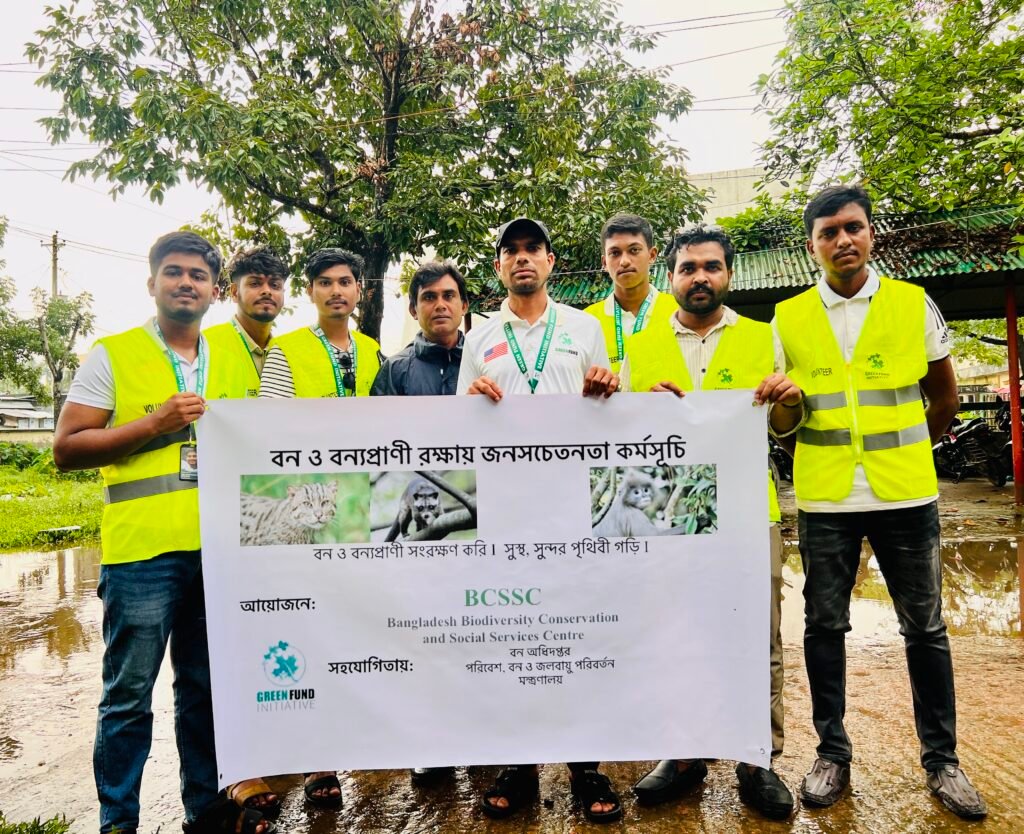
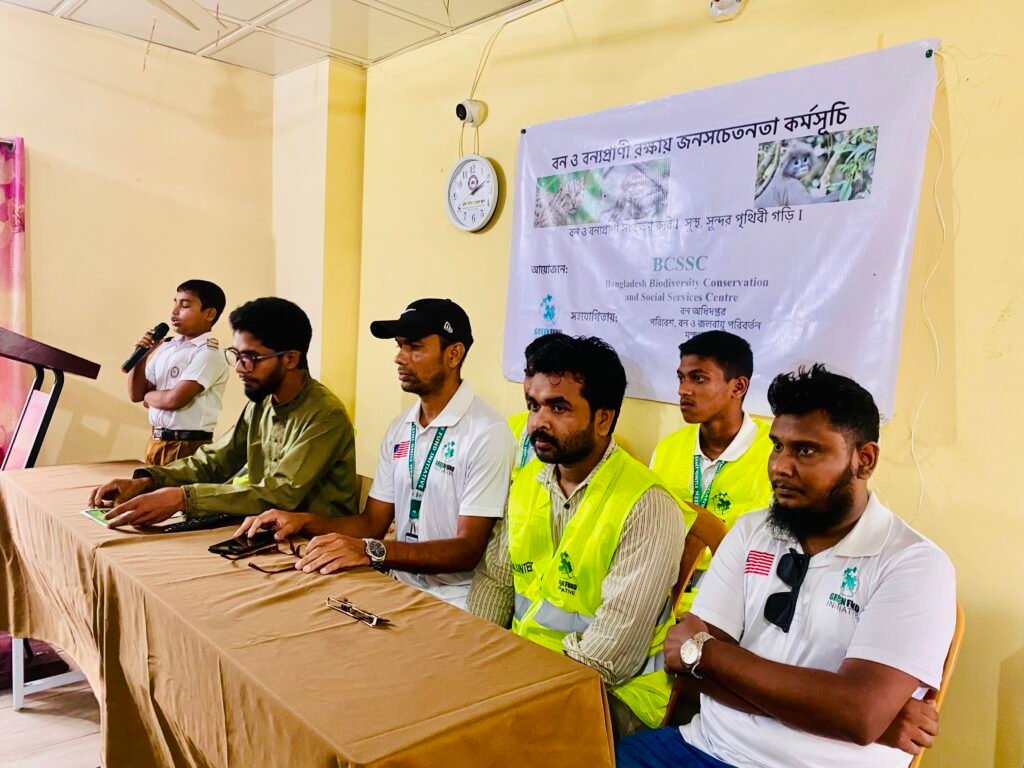
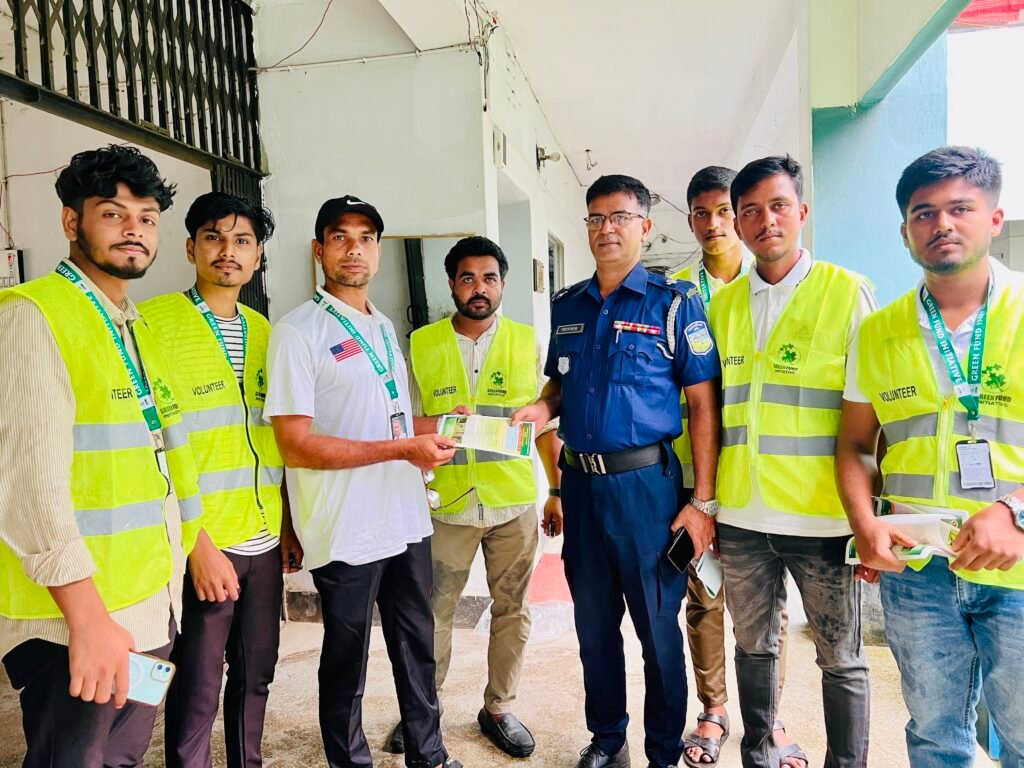
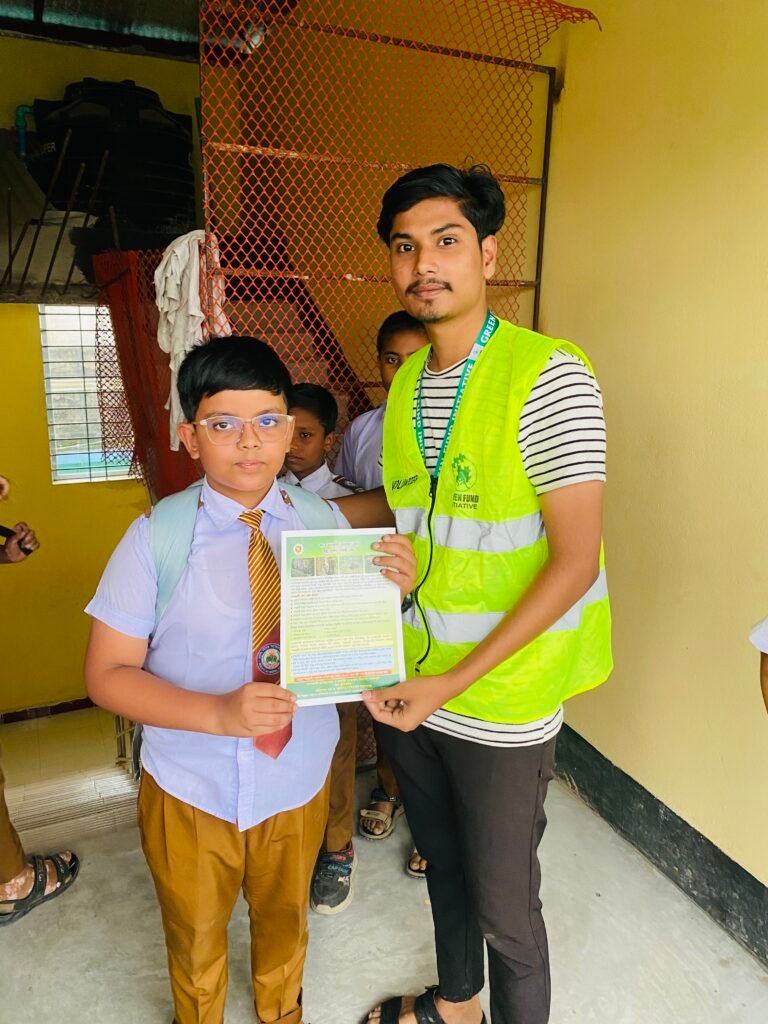
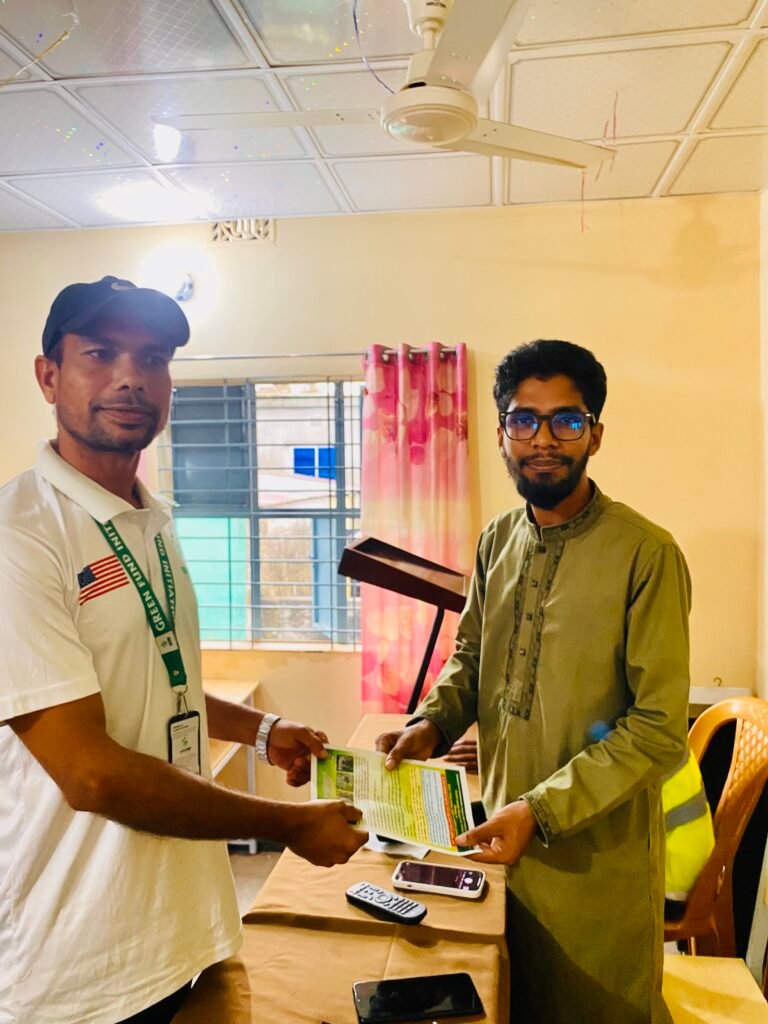
Green Fund Initiative volunteers and BCSSC team members participate in a wildlife and forest conservation awareness campaign in Bangladesh.
Wildlife is an essential part of healthy ecosystems, yet many wild animals and birds in Bangladesh continue to face threats from habitat loss, human-wildlife conflict, illegal hunting and trapping, environmental pollution, and a lack of public awareness.
Recognizing that wildlife conservation cannot succeed without community participation, Green Fund Initiative recently conducted a mass wildlife conservation and protection awareness campaign in Bangladesh in partnership with our local partner, BCSSC, and the Department of Forest, Bangladesh.
The campaign focused on a simple but important message: protecting wildlife means protecting the environment on which people also depend.
Taking Wildlife Conservation Messages to the Community
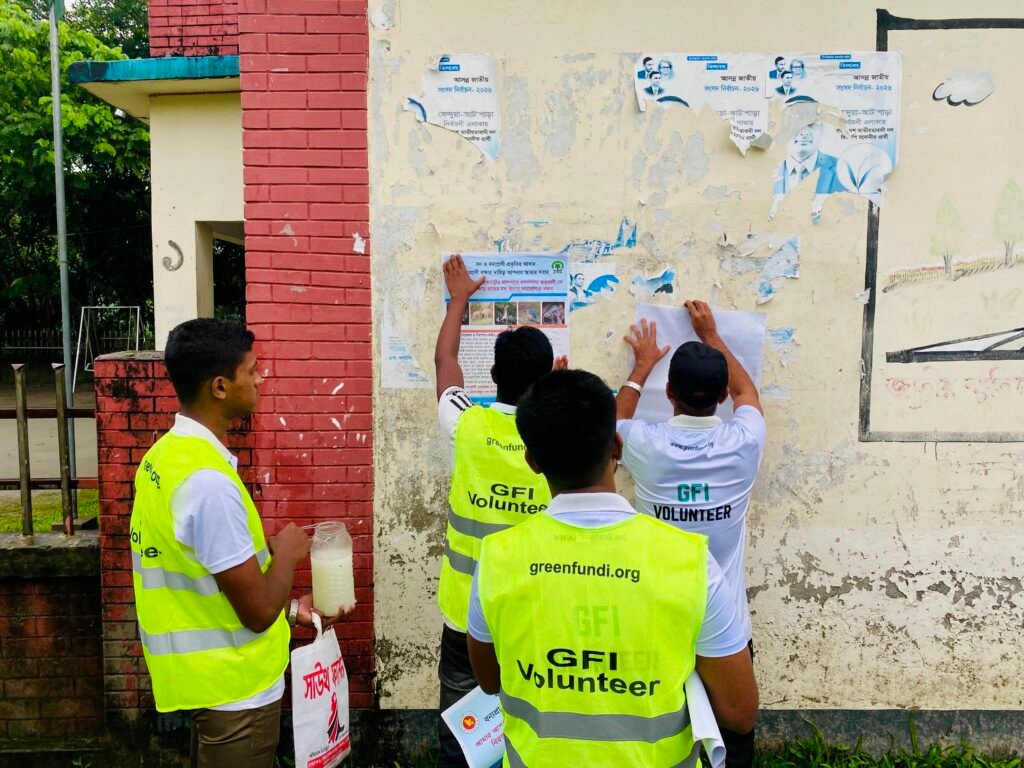
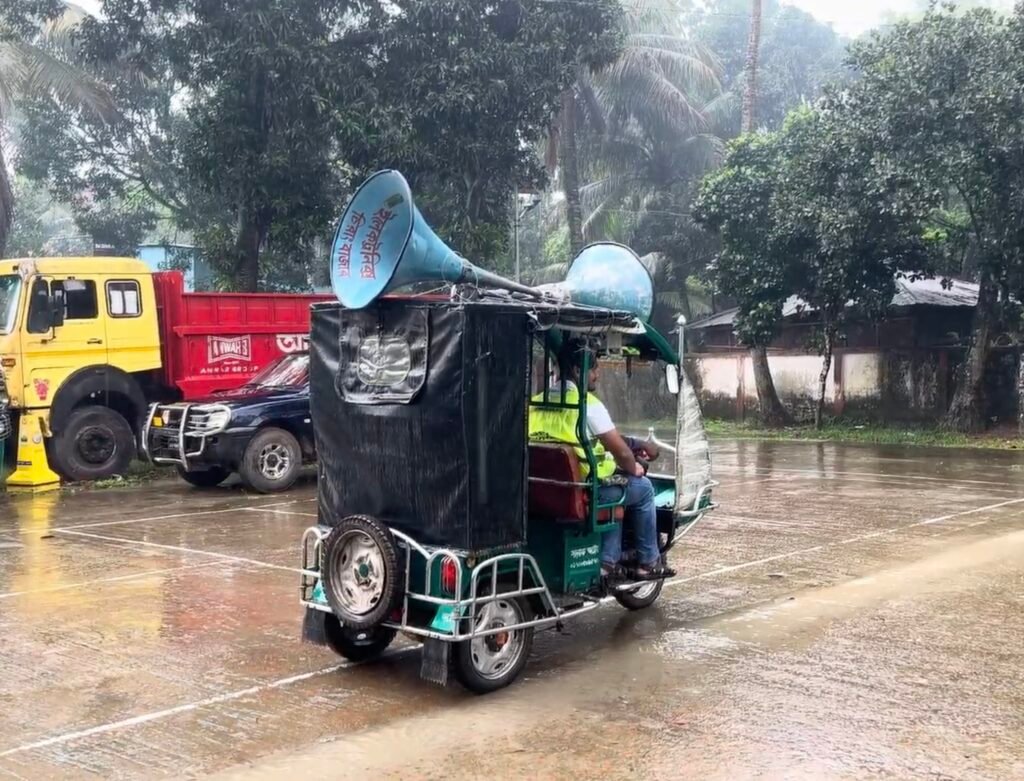
Conservation awareness is most effective when it reaches people in their everyday lives. As part of the campaign, our team and partners used multiple outreach methods, including leaflets, posters, autorickshaw-based public announcements, school sessions, local government activities, and face-to-face community engagement to promote wildlife and environmental conservation.
Green Fund Initiative volunteers and BCSSC team members participate in a wildlife and forest conservation awareness campaign in Bangladesh.
Why Wildlife Conservation Matters
Wild animals and birds are not separate from our lives or communities. They are an important part of functioning ecosystems.
Different species contribute to ecological processes such as pollination, seed dispersal, natural pest control, nutrient cycling, and maintaining the balance of food chains. When wildlife populations decline, the effects can extend beyond individual species and affect the wider environment.
For this reason, wildlife conservation is also connected to human well-being.
Healthy forests, wetlands, rivers, agricultural landscapes, and other natural ecosystems provide essential services for people. Protecting biodiversity helps maintain these ecosystems for present and future generations.
During the awareness campaign, we encouraged community members to think about wildlife not simply as individual animals that need protection, but as an important part of the broader environmental system.
Reaching Students Through Schools
Schools were an important part of the awareness campaign.
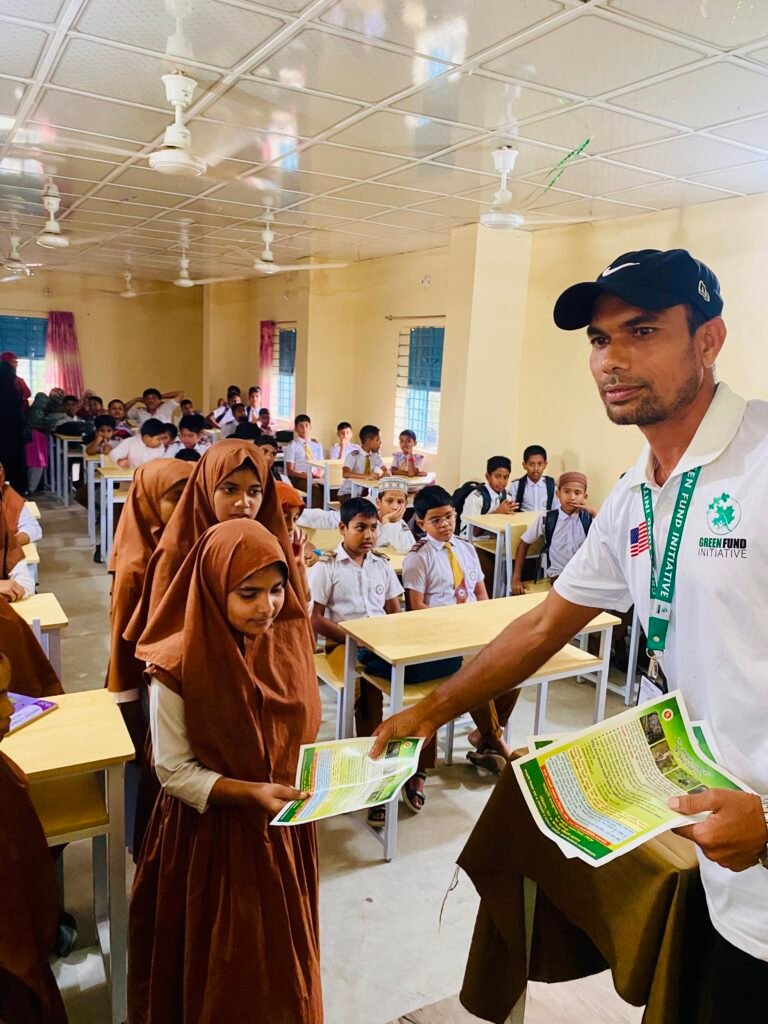
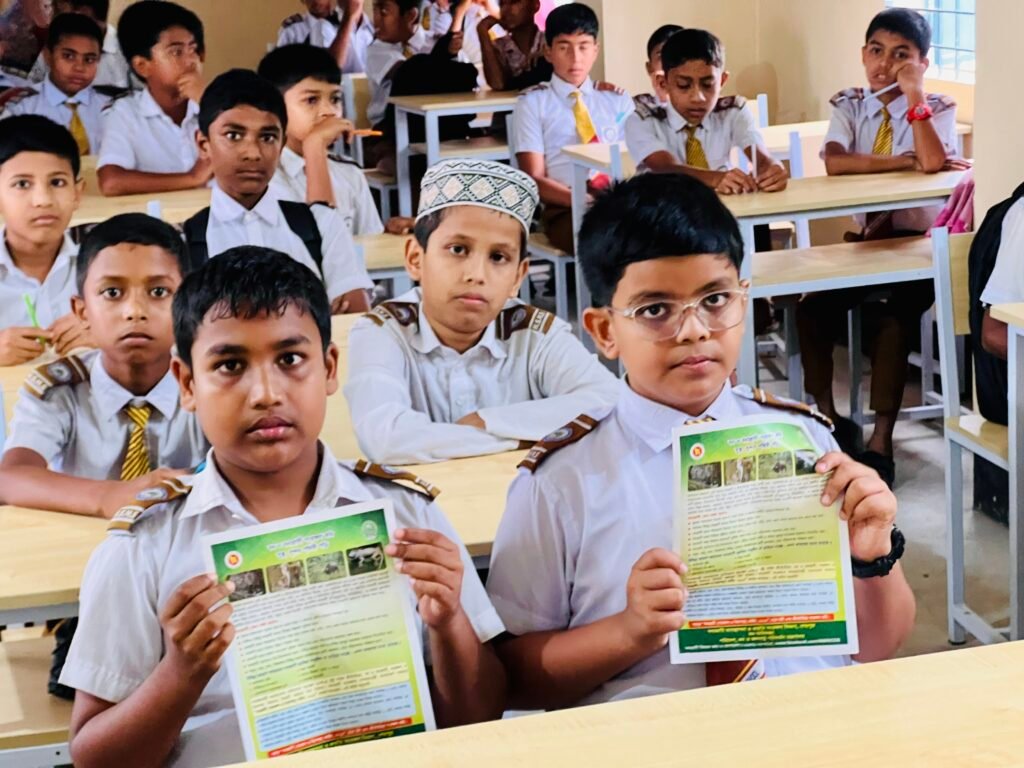
Young people can play a significant role in building a culture of environmental responsibility. Through face-to-face awareness sessions, students were introduced to the importance of wildlife, the threats faced by wild animals and birds, and the ways people can contribute to conservation.
Students participate in a wildlife conservation awareness session, learning about the importance of protecting wildlife and biodiversity.
Rather than viewing conservation as the responsibility of only government agencies or conservation organizations, the campaign encouraged students to understand that individual actions and community awareness can also contribute to protecting biodiversity.
Students can also become messengers of conservation within their families and communities by sharing what they learn with others.
Taking Awareness to Streets and Public Spaces
The campaign also took wildlife conservation messages directly to the wider public.
Through leaflet distribution, posters, public announcements, and face-to-face conversations, community members were reminded that everyday human activities can have consequences for wildlife.
The autorickshaw-based miking campaign was particularly useful for taking conservation messages beyond fixed locations and into communities. It allowed awareness messages to reach people in streets and public areas who might not otherwise attend a formal conservation event.
This approach reflects GFI’s broader commitment to community-based and participatory environmental conservation.
Working Together for Wildlife Protection
The campaign was conducted through collaboration between Green Fund Initiative, BCSSC, and the Department of Forest, Bangladesh.
Partnerships are particularly important in conservation because protecting wildlife requires cooperation among government institutions, conservation organizations, local communities, schools, and individual citizens.
Government agencies bring institutional knowledge and regulatory responsibilities. Conservation organizations and local partners can support community engagement and awareness. Schools can help educate younger generations. And local communities are essential because conservation ultimately takes place within the landscapes where people and wildlife coexist.
Awareness Is the Beginning of Conservation
A leaflet or awareness session alone cannot solve every threat facing wildlife. However, awareness can be an important first step toward changing how people understand and interact with nature.
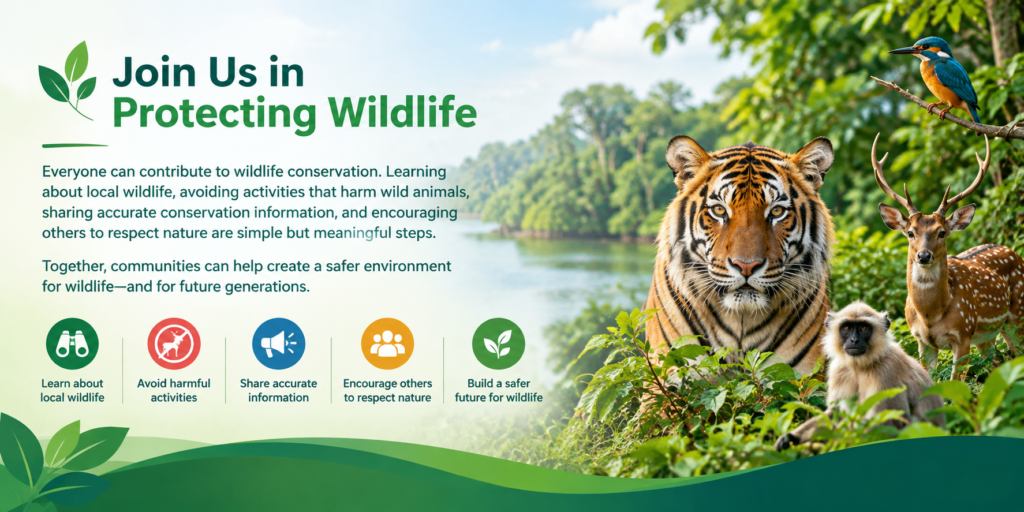
When people understand why wildlife matters, they may be more likely to recognize harmful practices, report wildlife-related problems, protect wild animals rather than capture or harm them, and support conservation initiatives in their communities.
That is why GFI considers environmental awareness an important part of our conservation work.
Our goal is not simply to talk about wildlife conservation, but to encourage communities to become informed participants in protecting the natural environment.
A Shared Responsibility
Bangladesh’s wildlife belongs to the country’s natural heritage, but its protection is a shared responsibility.
Government institutions, conservation organizations, local communities, schools, and individuals all have roles to play.
Through our partnership with BCSSC and the Department of Forest, Bangladesh, Green Fund Initiative will continue supporting awareness and community engagement efforts that encourage people to understand the importance of wildlife and the ecosystems that sustain both biodiversity and human life.
Protecting wildlife today means protecting healthy ecosystems for tomorrow.